We are approaching the networking event of the year in Sweden – Almedalen
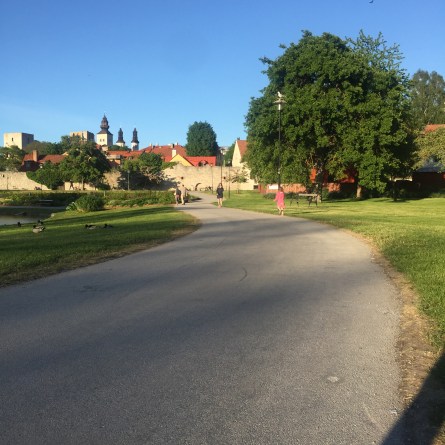
As always, bigger and better than ever, it is the place to meet and be seen and heard. Due to the Swedish parliamentary election coming up in the Fall, this year will have even more focus on politics and policy than usual.
I believe that a few topics will gain larger momentum this year compared to 2017:
Digital health – the Swedish government has made a vision statement that Sweden should be the best country in the world in utilizing the benefits of digital health by 2025. The debate has been focused on reimbursement (how much new digital health players should be paid – and by whom) and prioritization (whether easier access to care e.g. through digital interfaces increases or decreases inequality for patients, as resources could be ‘diverted’ from other uses).
I believe that the digital health players will all be present (as they were at Vitalis 2018 recently in Gothenburg) and the positioning that they will use will be more on how they add value to the healthcare system and the payors (county councils). A lot of PR to be made, to ensure that the politicians get they message. I also believe that Inera will continue as a central player, similarly as they did at Vitalis – where their roundtable discussions were some of the most well-attended things on the agenda.
Affordable housing – I think no-one has missed the media reports regarding decreasing house prices in Sweden since Q4 2017 and the impact that this has had on the construction industry. Sales volume for primarily high-end real estate has tumbled and share prices for specialised players such as Oscar Properties have dropped significantly. At the same time, new rules have come into effect limiting the availability of credit for house buyers, having a further impact on the property market. All this is putting a wet blanket on the new-build market. At the same time, some 255 municipalities experience a shortage of housing for its residents, up from 183 municipalities in 2015. One of the reasons is due to the focus of developers on high end markets (e.g. Stockholm), another reason is the high cost of construction in Sweden (some 60% above the European average, partly due to more strict building regulations, but in my view also due to the low cost-efficiency and degree of innovation among Swedish developers.
I have seen positive signs recently, among them the initiative by SKL to develop concept houses with negotiated frame agreements and pricing, that can be easily purchased by municipalities. Uptake has so far been slow, though. Some startups are developing interesting modular concepts that should save cost, such as Nyhem Bostad, which will be interesting to follow. The digitalization of the construction industry also should allow for cost savings. One interesting company to follow here is Tikab Strukturmekanik.
I think that there will be interesting discussion on the topic in Almedalen, but that nothing much will happen structurally until after the election if the politicians then put the topic of housing even higher on the agenda (easing building regulations, to lower production cost) and when the market has stabilised – both with regards to price development + the impact of the new regulations limiting credit supply.
If there is no clear majority-backed government after the election, the uncertainty would continue even longer.
More thoughts on Almedalen to come.
#Almedalen
#Almedalen2018
#Digital Health
#Inera
#Affordable Housing
#Simonsaid
 Simon said...